Hours: Mon & Thu 9:30–7 · Tue & Fri 8:30–6 · Wed/Sat/Sun Closed
(908) 771-0220
Spine Health
Rest has its place — but for many back pain conditions, prolonged inactivity delays recovery and allows compensatory patterns to take hold.
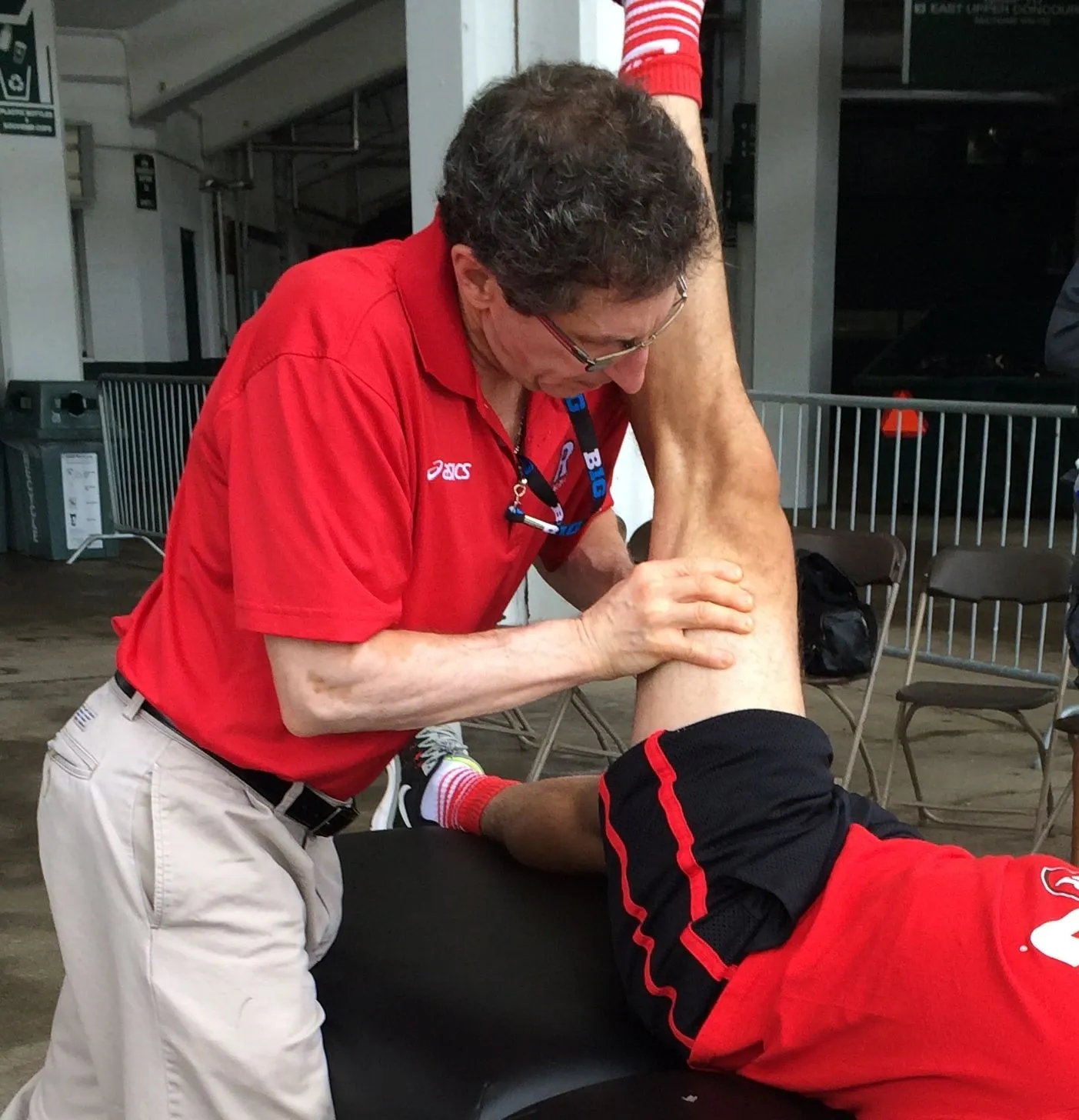
The advice is reflexive: hurt your back, rest it. Take a few days off, use ice or heat, and wait for it to resolve. For minor muscular strains — the kind that follow a weekend of heavy lifting or an awkward movement — this approach is often appropriate. But for a significant fraction of back pain patients, rest is the wrong prescription. And when it is the wrong prescription, days of inactivity can become weeks, and a manageable problem can become a chronic one.
Muscular tissue responds to a period of unloading when acutely injured. Inflammation needs time to peak and begin resolving. There is a window — typically 24 to 72 hours following acute muscle strain — when reduced activity is clinically justified.
Beyond that window, the physiology changes. Prolonged bed rest or avoidance of normal movement produces measurable deconditioning within days: core muscle activation decreases, hip flexors shorten, the posterior chain weakens, and the nervous system begins to recalibrate around pain avoidance rather than functional movement. This is not theoretical — it is what imaging and electromyographic studies consistently show in patients with subacute and chronic low back pain who are managed with rest.
The irony is that the rest prescribed to protect the back often creates the conditions for a slower, more complicated recovery.
The umbrella term "back pain" encompasses a wide spectrum of distinct diagnoses — and the appropriate management differs substantially between them:
Certain presentations should prompt an evaluation rather than a "wait and see" approach:
The last two points on that list require urgent evaluation, not a scheduled appointment.
The evidence for active management of back pain — guided movement, manual therapy, therapeutic exercise — is substantially stronger than the evidence for passive rest beyond the acute phase. Clinical guidelines from the American College of Physicians and the American Chiropractic Association consistently recommend non-pharmacological active care as the first-line treatment for both acute and chronic back pain.
At DeFabio Chiropractic, the examination determines what is causing the pain before any treatment recommendation is made. That distinction — diagnosis first, treatment second — is what allows the correct intervention to begin from the first visit rather than defaulting to rest and hoping the problem resolves on its own.
A thorough examination at DeFabio Chiropractic will identify the specific source of your pain and provide a clear clinical plan — not generic advice.